
Why Halloween Is Orange, Black, and Full of Treats
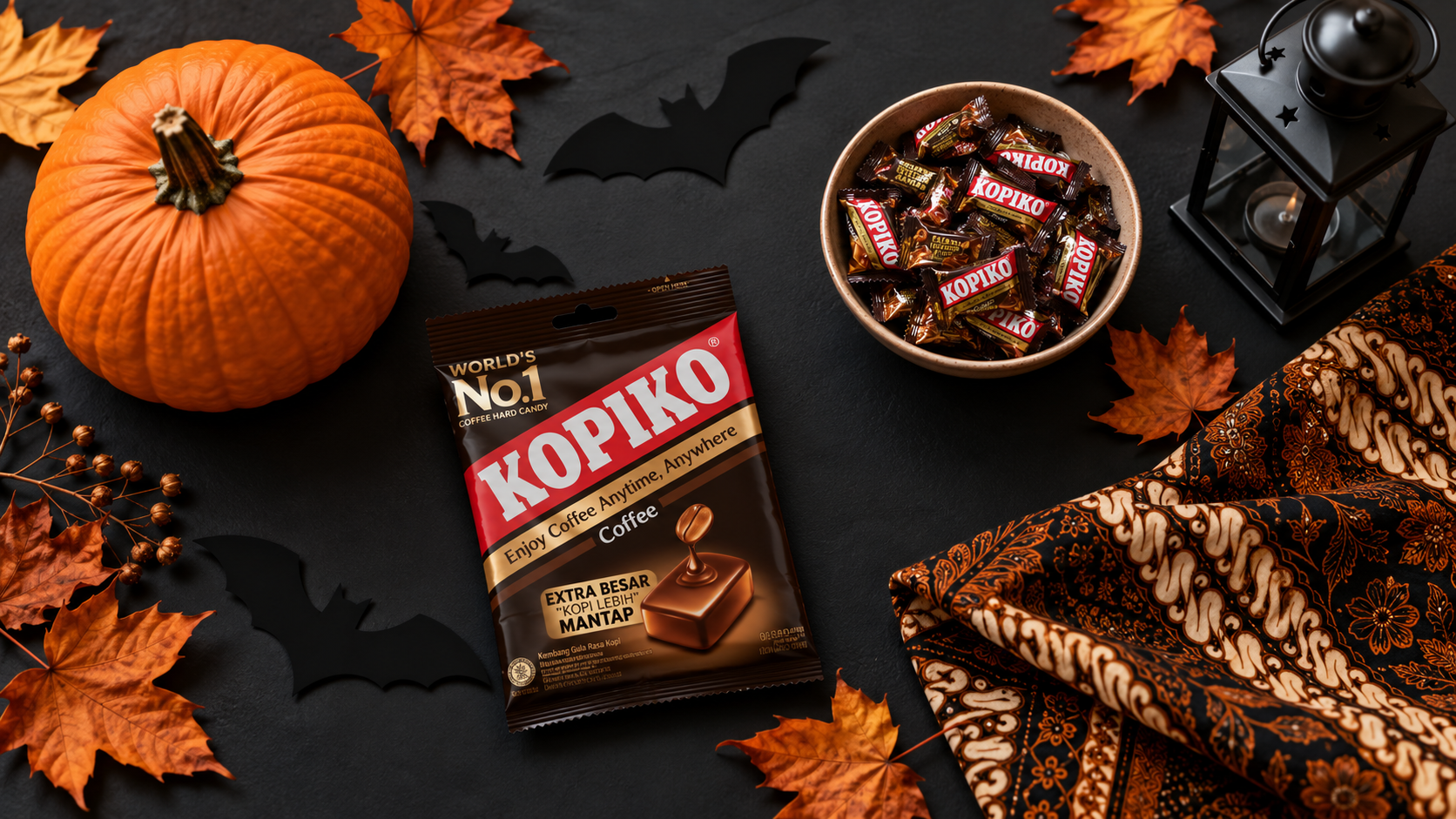
By the end of October, the same visual language appears everywhere: orange pumpkins, black cats, dark skies, costumes, and bowls of candy. It looks like one big spooky theme, but those details come from different layers of history that slowly became one recognisable celebration.
Halloween takes place on 31 October, the evening before All Saints’ Day. Many historians trace parts of its older tradition to Samhain, a Celtic festival that marked the end of harvest and the beginning of the darker half of the year. For communities living close to crops and weather, that seasonal change carried real meaning.
Orange Is More Than a Pumpkin Colour
Orange feels obvious now because pumpkins are everywhere in Halloween imagery. But the colour also points to harvest, fire, and the last warmth before winter: leaves changing colour, lanterns glowing in early darkness, and bonfires against a cold night.
That is why orange works even without a carved pumpkin. It carries the feeling of October, a month between seasons when daylight gets shorter and familiar places can look different after sunset. Modern Halloween design makes orange brighter and more playful, but the association still comes from autumn.
Why Black Became Part of the Mood
Black is Halloween’s counterweight. It suggests night, the unknown, and the darker season that follows harvest. Over time, it also became connected to ghosts, witches, cats, shadows, and the kind of mystery that makes people look twice at an empty hallway.
The pairing works because it tells a simple visual story. Orange feels like fire and autumn. Black feels like the night around it. Put them together and people understand the season before any costume or decoration explains it.
Purple, green, and red became common later through popular culture: magic, movie monsters, and horror-film drama. But orange and black remain the core pairing because their roots are seasonal before they are scary.
From Disguises to Treats
Costumes also have older roots. In parts of Europe, people wore disguises, performed, or went from door to door during seasonal observances. Over centuries, practices such as guising and souling changed as they moved across countries and communities.
The modern version of trick-or-treating developed much later, especially in North America, where neighbourhood visits, costumes, and individually wrapped sweets became a familiar Halloween routine. Today, it is less about ancient belief and more about play, community, and the small excitement of choosing a treat from a bowl.
That is what makes Halloween interesting: a harvest observance, folk custom, costume night, movie marathon, and candy ritual can all exist inside the same celebration.
A Coffee Candy Treat for a Spooky Movie Night
Not every Halloween moment needs a costume or a doorbell. Sometimes it is a themed movie, a low-key gathering, or a quiet night at home with something sweet nearby.
Kopiko Coffee Candy fits naturally into that setting. Small pack format makes it easy to place in a snack bowl, keep in a bag, or share during a movie break. It is simply a coffee candy option for a small October treat moment.
Halloween may look simple from the outside: orange, black, costumes, and candy. Behind those familiar details is a long story about seasons, symbols, and the human habit of making dark nights feel a little more social.